Walk the fifteen blocks of Hollywood Boulevard and you’ll step over the names of movie legends, pop icons, and TV personalities. But at 6284 Hollywood Blvd, embedded in the same coral-pink terrazzo as Marilyn Monroe and Frank Sinatra, sits a star belonging to Ignacy Jan Paderewski — a 19th-century concert pianist who also happened to serve as Prime Minister of Poland.
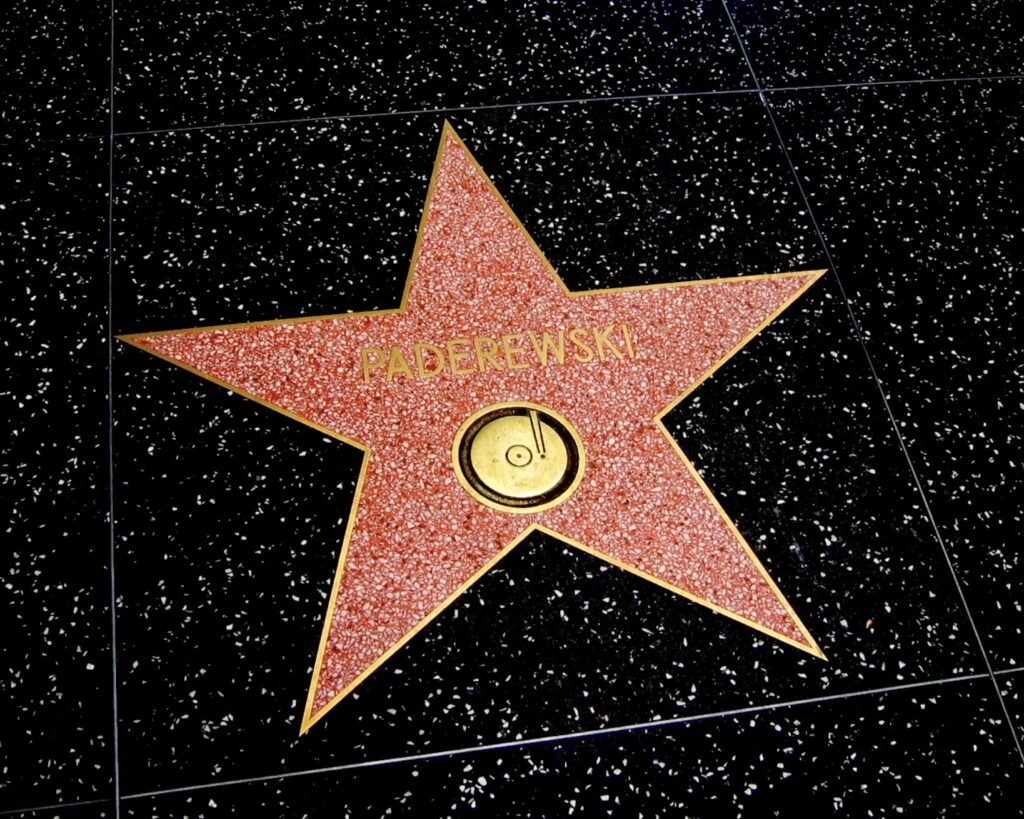
Paderewski got his star on February 8, 1960. By April 30, 2026, there will be 2,842 such stars.
It is, without question, the most surprising star on the entire Walk of Fame, and the story behind it is stranger and more fascinating than almost anything Hollywood itself could invent.
Who Was Paderewski?
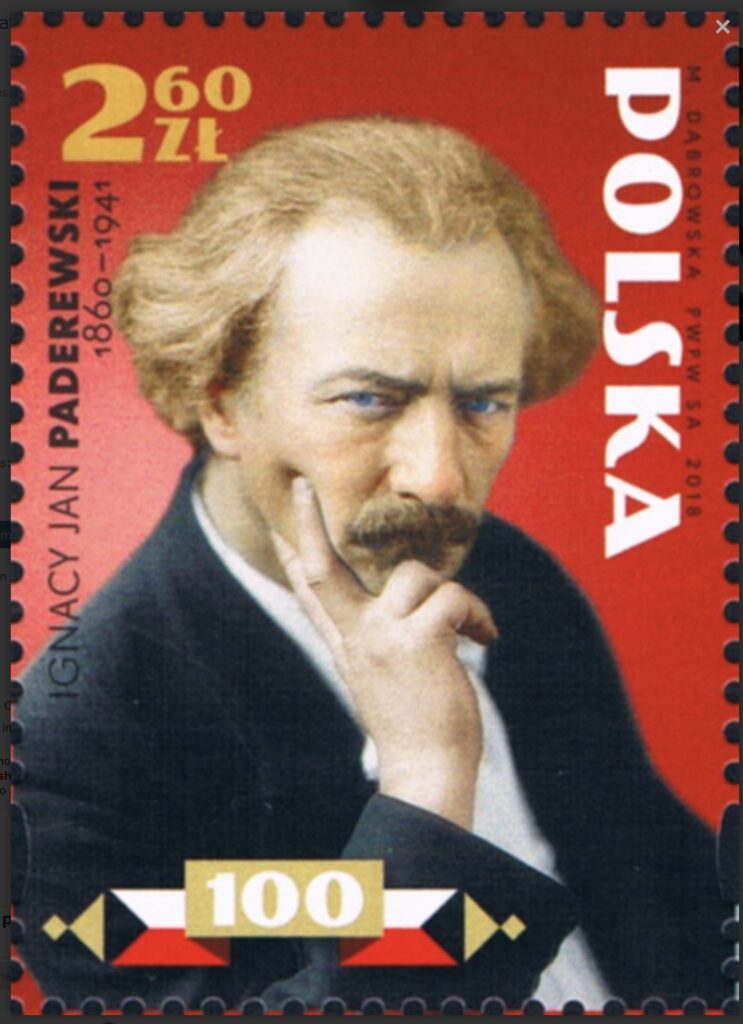
Ignacy Jan Paderewski was a Polish pianist, composer, diplomat, politician and the third Prime Minister of post-war Poland in 1919.
If you want to listen to his piano music, YouTube has many examples. The titular song, “Moonlight Sonata” is in two parts excerpted from the movie. The first movement is here and the second and third are here. (The third movement is the good one!)
You can also watch the complete movie on YouTube. It’s about 1:25, but it’s in a rather annoying green tint.
And you can listed to “Minuet in G,” which is his own composition, here.
Born in 1860 in what is now Ukraine, he showed an early gift for music and went on to study in Warsaw, Berlin and Vienna. By the late 1880s, his brilliant playing had created a sensation that reached almost extravagant lengths of admiration, and his triumphs were repeated in the United States in 1891.
His name, as contemporaries put it, became synonymous with the highest level of piano virtuosity. He wasn’t just a classical musician — he was a global superstar, the kind of figure who filled concert halls and made audiences weep.
But Paderewski didn’t stop at the piano bench. He became a passionate advocate for Polish independence, and after World War I he stepped into politics, serving as Prime Minister of Poland between the World Wars. He signed the Treaty of Versailles on behalf of his country.
So Why Does He Have a Hollywood Star?
Here’s where it gets good. In 1937, at the age of 76, Paderewski did something almost no serious classical musician of his stature had ever done — he starred in a movie. Moonlight Sonata was a British drama directed by Lothar Mendes and released by United Artists, in which Paderewski played himself.
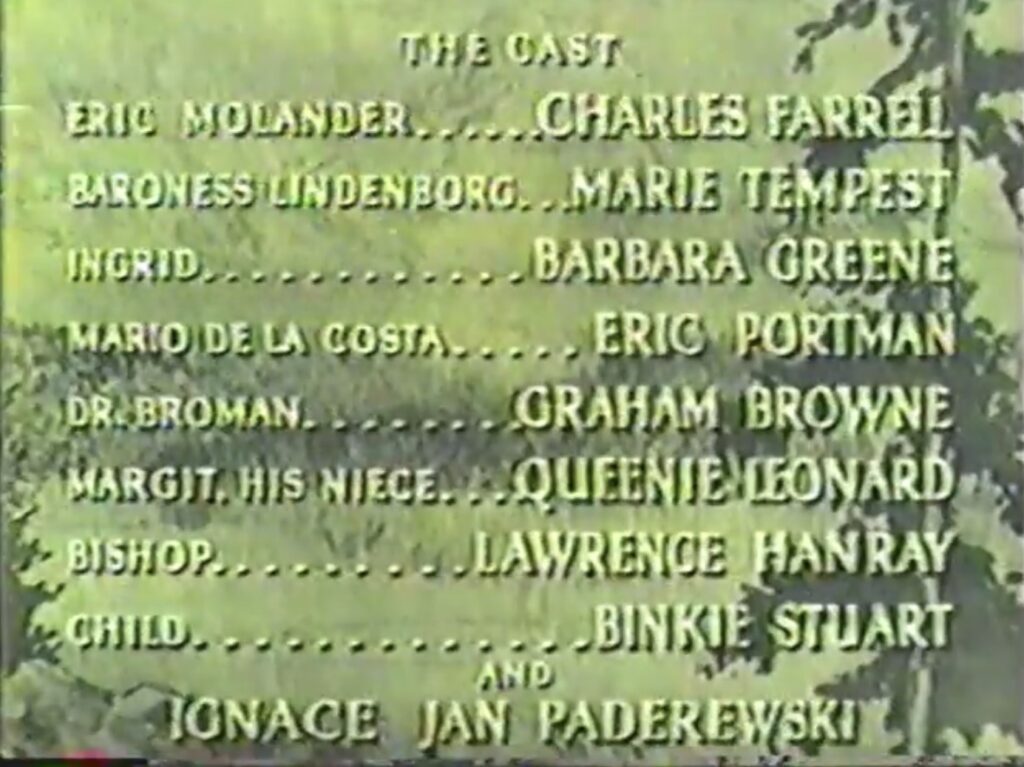
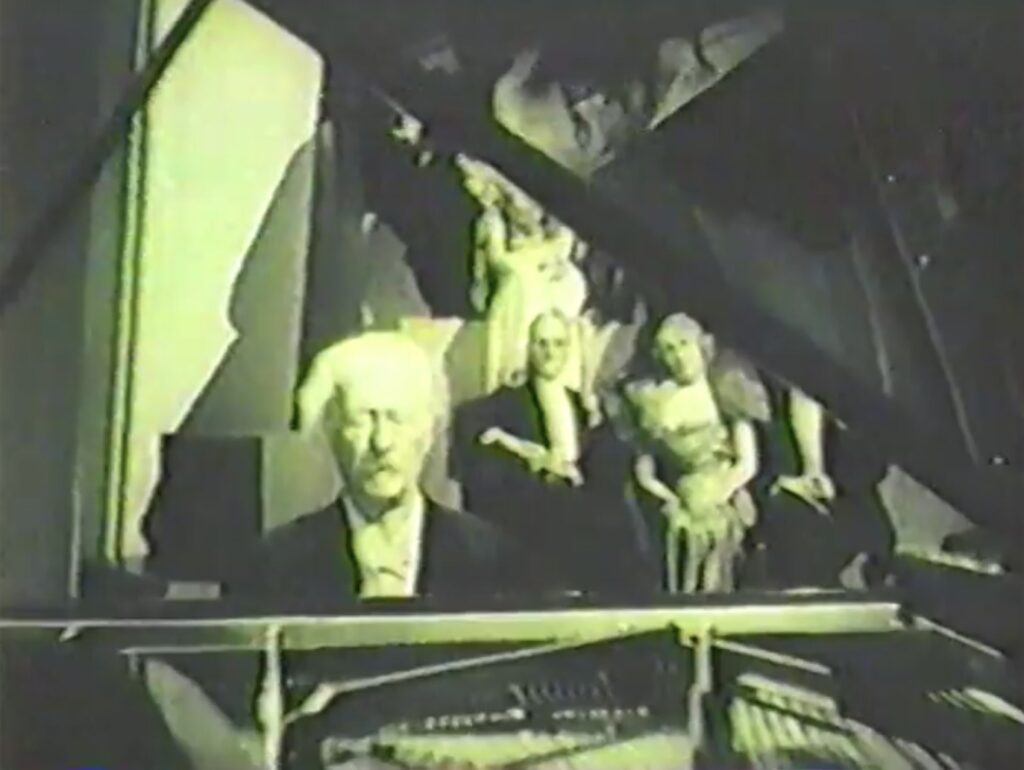
The plot involves a plane making an emergency landing at a Swedish baroness’s estate, where the marooned passengers — including the great pianist — become entangled in a romantic drama. The film is admittedly a slight confection, but the overhead shots of Paderewski’s hands as he plays Beethoven, Chopin, and his own compositions are widely regarded as marvellous.
The film opens with a full concert in which Paderewski performs Liszt’s Second Hungarian Rhapsody and the first movement of Beethoven’s Moonlight Sonata, and later plays his own Minuet in G. For audiences in the 1930s who could never hope to see him perform in person, this was extraordinary. The film essentially bottled his genius and put it on cinema screens around the world. (You can read the plot line of the movie here.)
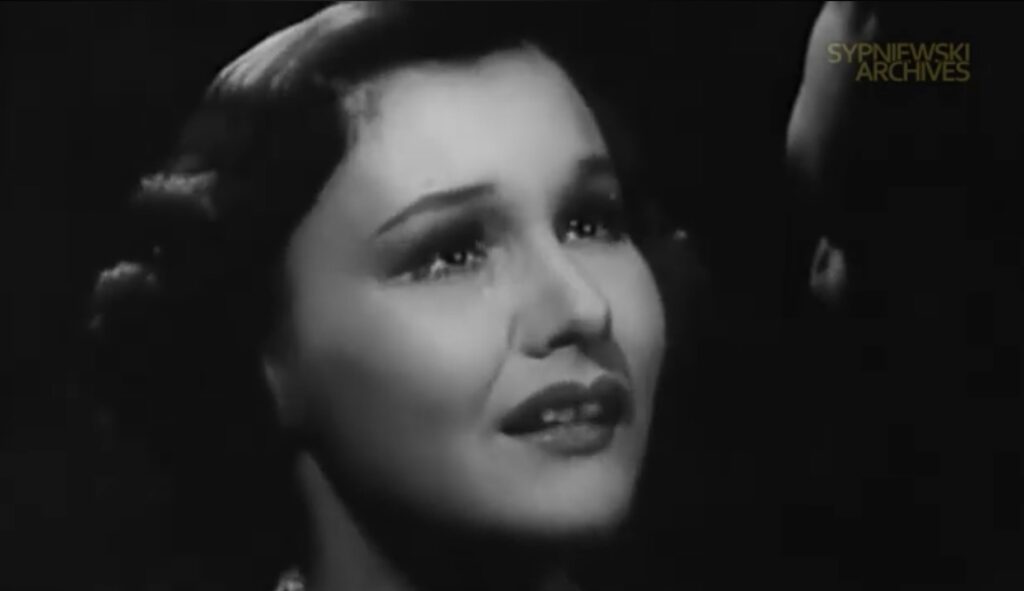
As you would expect, the lead of the movie is deeply touched by Padereski’s music, which changes her life. He was, after all, a “rock star” of his time. Move over Elvis!
That film appearance — combined with his colossal fame and his recordings — gave Paderewski a legitimate entertainment legacy, which is precisely what qualified him for a star on the Walk of Fame. The Hollywood Chamber of Commerce honors achievement in the entertainment industry, and Paderewski had contributed to it in multiple ways: as a performing musician, a recording artist, and a film actor.
A Singular Honor
What makes Paderewski’s star so endlessly compelling is the sheer improbability of it. He is the only European politician to accept a star on the Walk of Fame. He was a statesman who helped redraw the map of Europe, a virtuoso who made audiences across the world fall in love with classical music, and, almost as an afterthought, a film star.
Most people walking past his name on Hollywood Boulevard have no idea they’re stepping over the legacy of one of the 20th century’s most remarkable lives.
That might be the most Hollywood thing about him of all — a man of towering achievement, hiding in plain sight.