How Josefa Ortiz de Domínguez risked everything — and saved Mexico’s independence movement with a single, desperate act.
On the night of September 13, 1810, a woman locked inside her own home in the city of Querétaro found a way to change the course of history.
Josefa Ortiz de Domínguez — known to generations of Mexicans simply as La Corregidora — could not leave. Her husband, the royal corregidor, had confined her to their quarters after discovering that she was deeply involved in a conspiracy against the Spanish Crown.
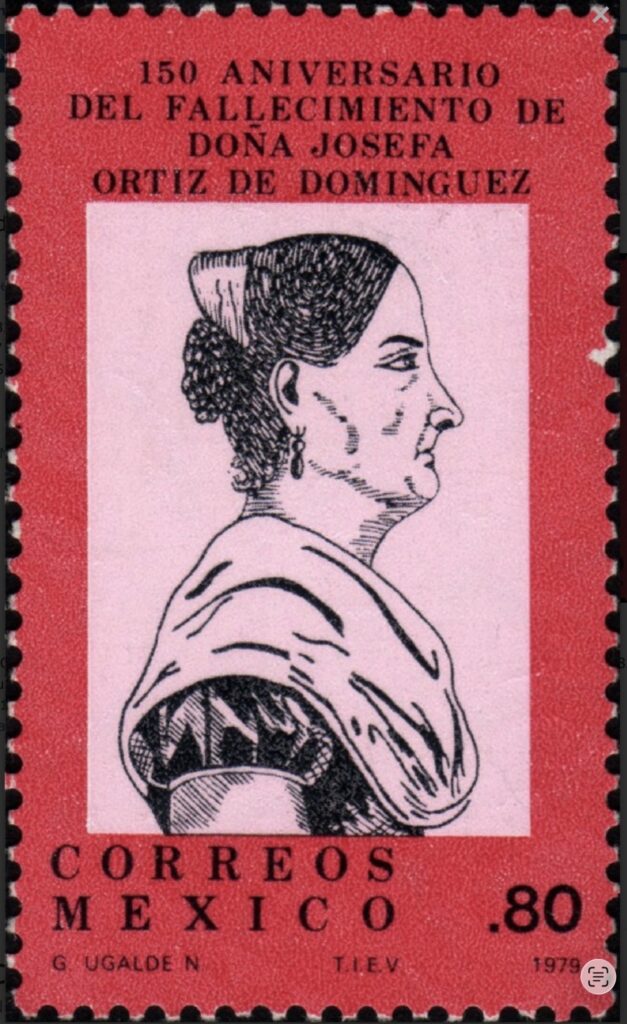
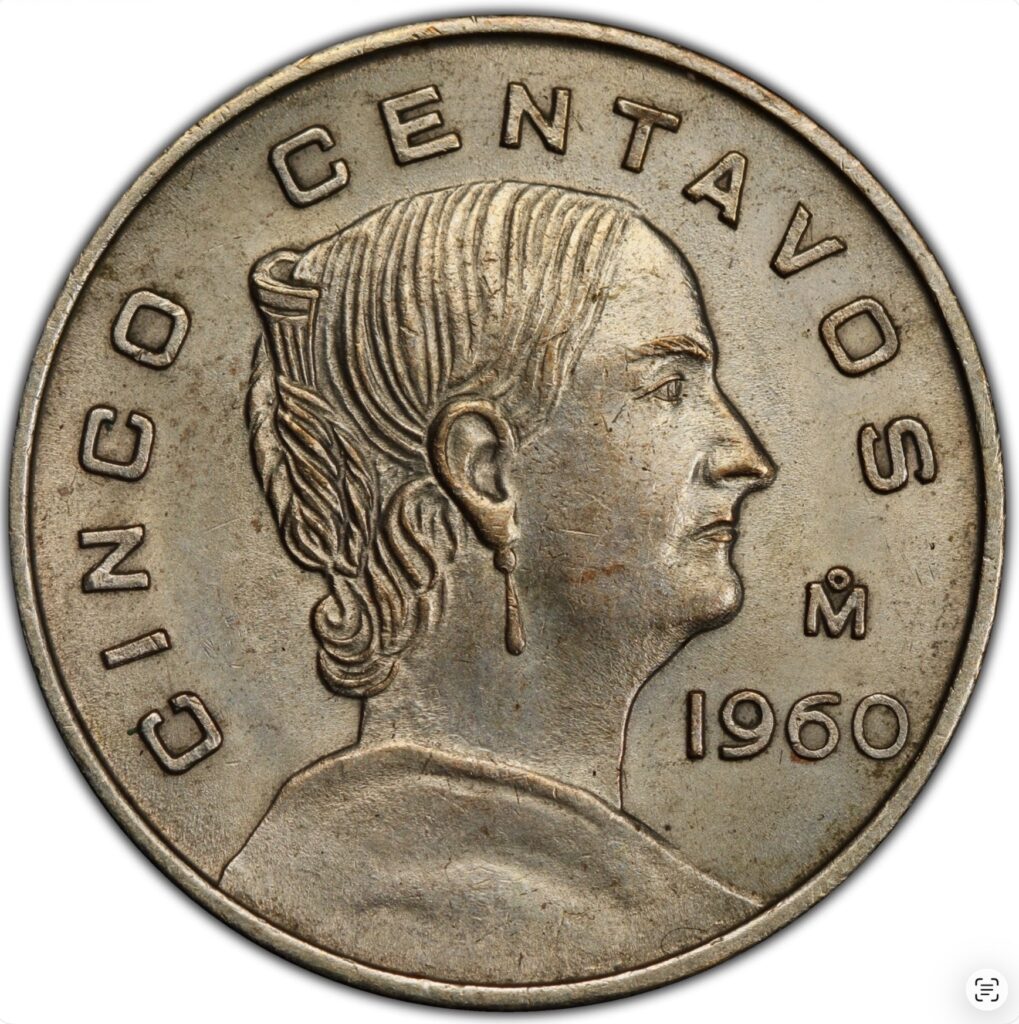
On stamp and coin, Josefa Ortiz de Dominguez was an image — and story — very familiar in Mexico. The stamp is from 1975. She was put on this five-centavo coin in 1950, and was on another, facing the opposite direction, from 1942-1955.
She had no horse, no messenger, no freedom. What she had was a broom handle, a stone floor, and a will of iron. She used them to knock on the floor so the man below — fellow conspirator Ignacio Pérez — could hear her warning through the boards. Within hours, the message had reached Father Miguel Hidalgo.
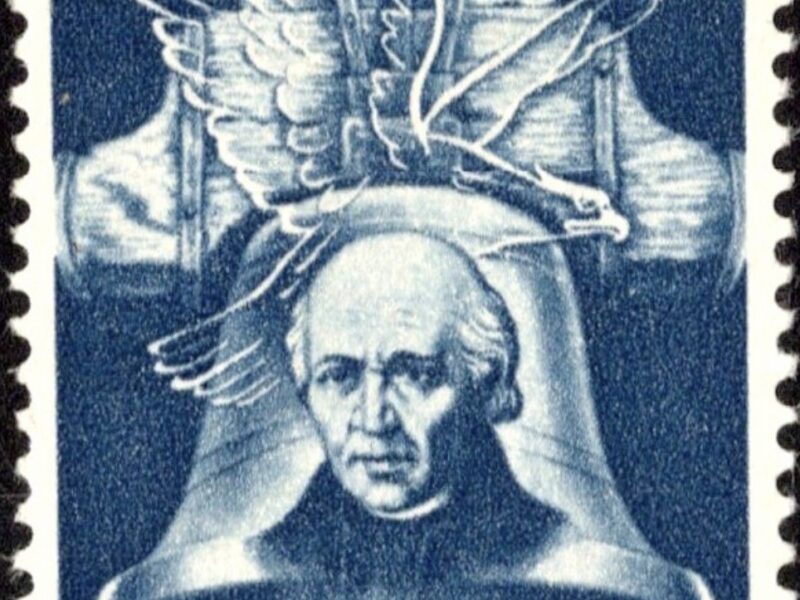
The next morning, he rang the bell at his church in Dolores. The war for Mexican independence had begun.
It is one of history’s most quietly dramatic moments: a woman locked in a room, refusing to be silenced. That image captures everything essential about Josefa Ortiz de Domínguez — her courage, her ingenuity, and the peculiar way that history often asks extraordinary things of ordinary objects.
She was not born to be a revolutionary. She was born into colonial privilege — and chose justice anyway.
A privileged life with an inconvenient conscience
Josefa was born around 1768 in Valladolid (present-day Morelia), the daughter of a Spanish military officer. Orphaned young, she was educated at the Colegio de San Ignacio de Loyola in Mexico City — a school for daughters of the colonial elite.
She was bright, well-read, and shaped by Enlightenment ideas that were quietly circulating even in the most proper drawing rooms of New Spain. In 1791, she married Miguel Domínguez, who would become corregidor — effectively the mayor — of Querétaro.
By the standards of the age, she had everything: position, comfort, a prominent husband, and a house full of children.
What she also had was a growing, unmanageable conviction that the colonial system was unjust. New Spain was a rigid hierarchy: peninsulares (those born in Spain) held all real power; criollos (those of Spanish descent born in the Americas) were excluded from high office; and indigenous and mestizo Mexicans occupied the lowest rungs of everything.
The ideas coming from France and from the American Revolution offered a different vision — one of citizens, not subjects. Josefa read those ideas carefully, and she took them personally.
The conspiracy in the parlor
By 1810, Josefa had become a key organizer in the Querétaro Conspiracy — a clandestine movement of intellectuals, clergy, and military men who were planning an armed uprising against Spanish rule. The meetings often took place in literary and cultural salons, places where the colonial authorities were less likely to look too closely.
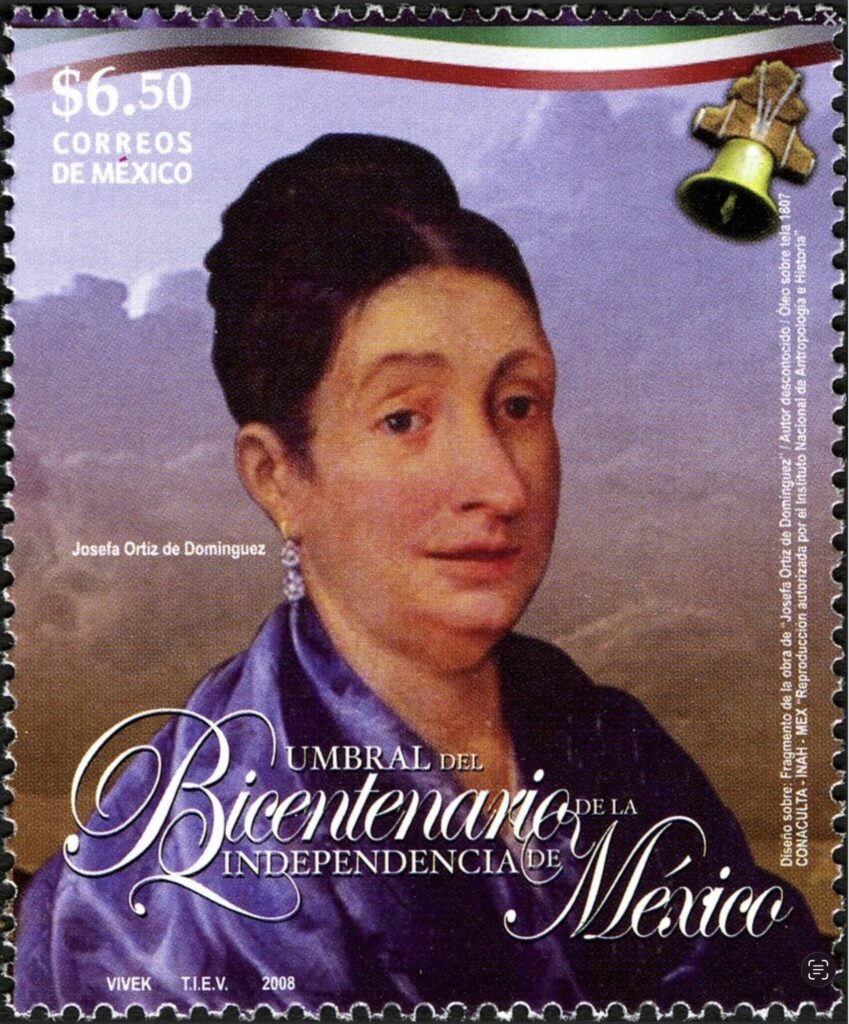
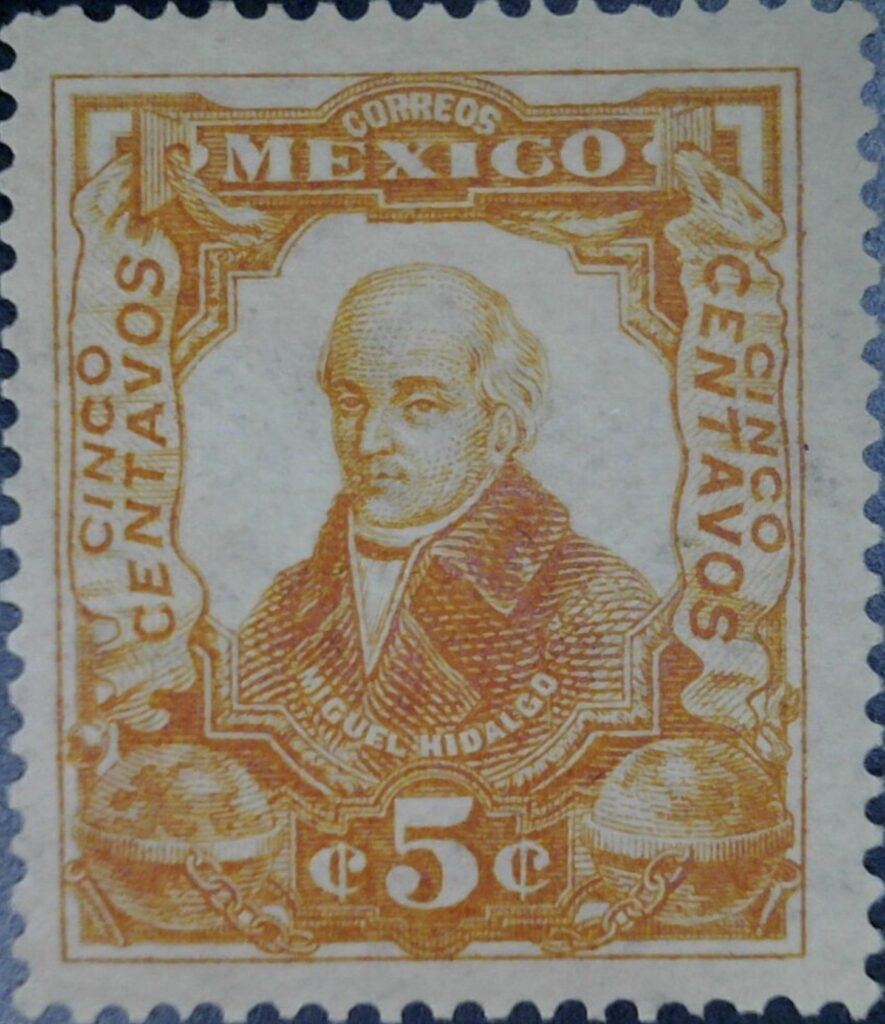
Josefa used her social status as cover. Her home, her connections, and her social respectability gave the conspiracy its protective coloring.
She was not merely a passive host. Contemporary accounts and later historical research confirm that she was an active participant in the planning, helping to coordinate communication among the conspirators and using her influence to protect their network.
She understood the stakes. Treason against the Crown was a capital offense. She also understood that the conspiracy’s timing was critical — they had planned to launch in December, when they would be better prepared.
Then, in September, everything unraveled. An informant betrayed the conspiracy to Spanish authorities. Arrests began. Miguel Domínguez, loyal to the Crown and alarmed by his wife’s involvement, locked Josefa in their rooms and began cooperating with the investigation.
She was, in every practical sense, a prisoner in her own home. And yet.
The knock heard around Mexico
Knowing that the arrests would soon reach Father Hidalgo and the others, Josefa found Ignacio Pérez — an alcalde (constable) who was also part of the conspiracy — in the room below hers and communicated her warning to him. Pérez rode through the night to alert Captain Ignacio Allende, who in turn reached Hidalgo.
Hidalgo’s decision to move immediately — to ring the bell at the church in Dolores on the morning of September 16th and deliver the famous Grito de Dolores, his call to arms — was born from the message Josefa managed to send from her locked room.
September 16th is now Mexico’s Independence Day. At the center of that day’s possibility is a woman who refused, even under lock and key, to give up.
The price of conviction
Josefa was arrested and imprisoned multiple times by Spanish authorities. She was offered her freedom on several occasions — on the condition that she renounce the independence movement. She refused, every time.
Her defiance was remarkable precisely because it was not theatrical. She did not seek martyrdom. She simply would not be made to say that what she believed was wrong. “I know what I have done,” she reportedly told her captors, “and I would do it again.”
She remained imprisoned until Mexico achieved its independence in 1821. She outlived the colonial order that had tried to silence her, dying in 1829 — free, in an independent nation that owed her more than it could ever formally repay.
La Corregidora, always
History has not been unkind to Josefa Ortiz de Domínguez, but it has sometimes flattened her. She appears on Mexico’s 200-peso note and the 5-centavo coin, her image is sculpted in plazas from Querétaro to Mexico City, and September 13th is observed in her honor. But the full weight of what she did — and who she was — resists the neat compression of a portrait on currency.
She was a woman of elite colonial society who chose, deliberately and at great personal cost, to work against the system that had given her comfort. She used every tool available to her: her social position, her intelligence, her home, and, at the last, a broom handle against a wooden floor.
She understood that revolutions are not made only in the open field but in the hidden conversation, the protected meeting, the urgent whisper passed through the boards of a locked room.
Mexico’s independence was won by many hands. One pair of those hands belonged to a woman who had been locked away so she could not help — and helped anyway. That is the measure of Josefa Ortiz de Domínguez: not just what she did when the door was open, but what she managed to do when it was closed.