(Often, one discovers while chasing a nation’s history, there is a notable absence of postage stamps regarding events that would seem to be important. Such is the case of the The Treaty of Guadalupe Hidalgo and the ensuing Mexican Cession. Neither nation has chosen to print such a stamp. Perhaps understandably.)
On February 2, 1848, in the village of Guadalupe Hidalgo just north of Mexico City, two exhausted nations signed a document that would permanently alter the map of North America. The Treaty of Guadalupe Hidalgo ended the Mexican-American War and transferred roughly half of Mexico’s territory to the United States — a land transfer so vast it reshaped the destinies of millions of people, birthed new states, and planted tensions that still reverberate today.
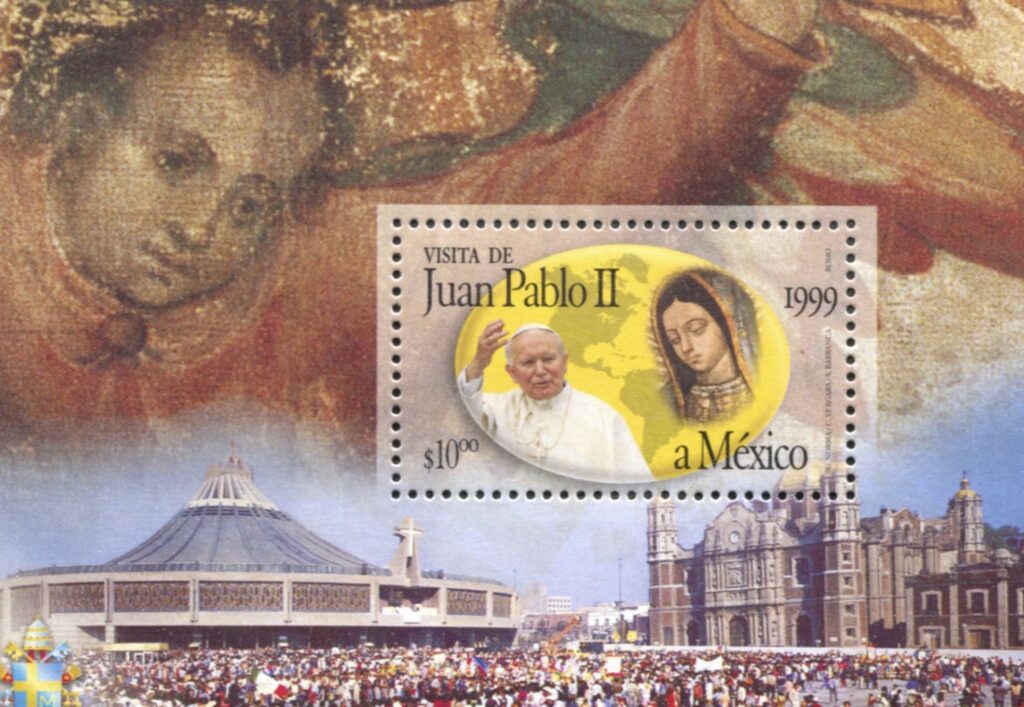
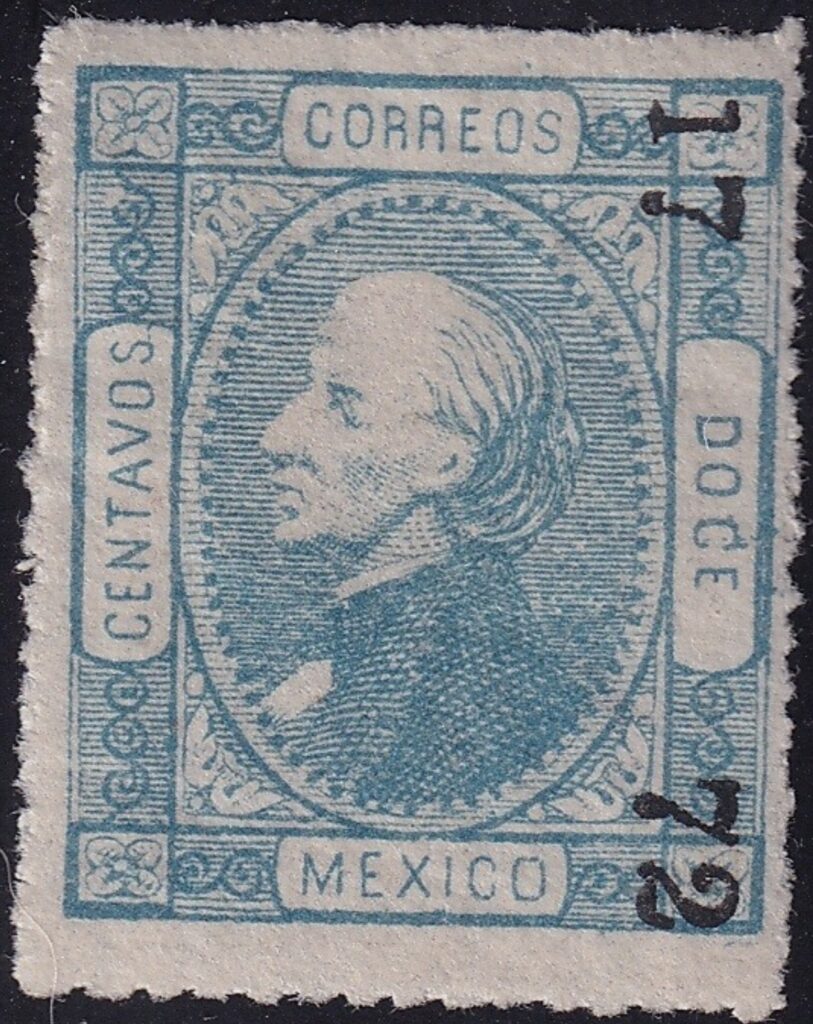
The Villa of Guadalupe Hidalgo, where the eponymous treaty was inked, is a combination of the names of the Virgin of Guadalupe and Father Miguel Hidalgo. It was here the apparition came to Juan Diego in December 1531. Miguel Hidalgo y Costilla was the George Washington of Mexico’s independence movement that began in 1810. His name was added in 1828. Today, it’s a neighborhood in Mexico City.
The War That Made the Treaty Necessary
To understand the treaty, you have to understand the war. The Mexican-American War (1846–1848) grew from the contested annexation of Texas in 1845 and a boundary dispute along the Rio Grande. President James K. Polk, a fervent believer in Manifest Destiny — the doctrine that the United States was divinely ordained to stretch from sea to sea — saw war as an opportunity, not merely a necessity.
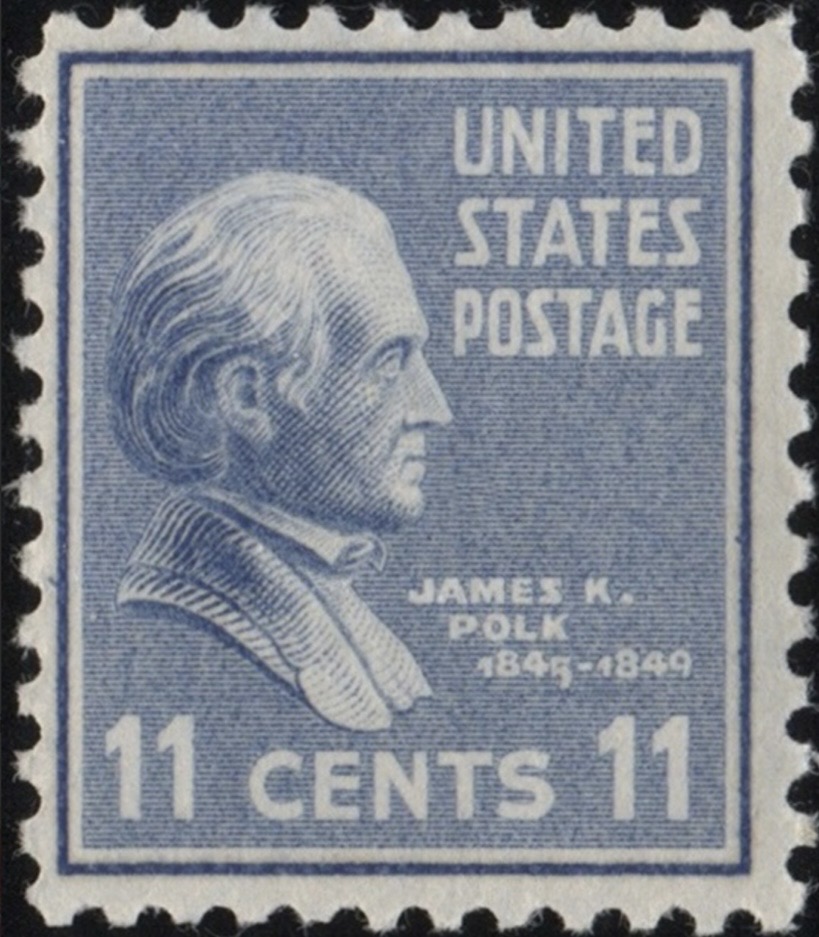
American forces invaded Mexico on multiple fronts, capturing Monterrey, Veracruz, and ultimately Mexico City itself. By the autumn of 1847, the Mexican capital had fallen, and the Mexican government had effectively collapsed. A negotiated peace was the only way out.
Polk sent diplomat Nicholas Trist to negotiate, but the relationship between the two men grew so toxic that Polk recalled him in October 1847.
Trist, who had developed genuine respect for his Mexican counterparts and feared what a prolonged occupation would cost both peoples, refused to leave. He stayed, negotiated, and signed the treaty in defiance of his own president.
What the Treaty Said
The Treaty of Guadalupe Hidalgo was a document of enormous consequence packed into relatively plain legal language. (Go here to read the treaty.) Its key provisions included:
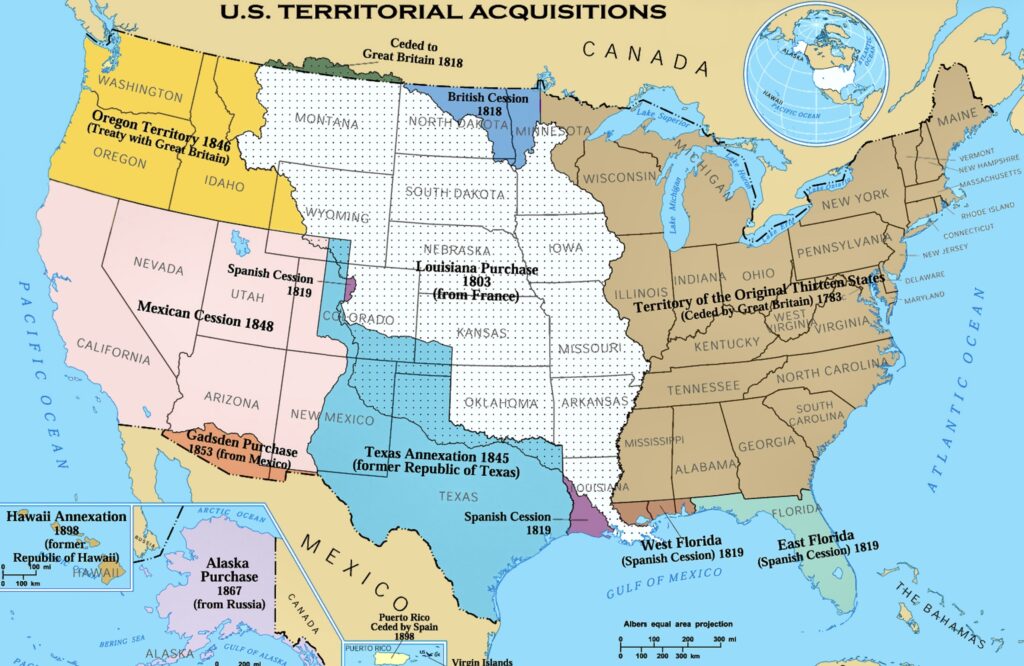
The Mexican Cession. Mexico formally ceded to the United States the territories that would become California, Nevada, Utah, most of Arizona and New Mexico, and portions of Colorado, Wyoming, Kansas, and Oklahoma. This amounted to approximately 525,000 square miles — territory larger than Western Europe.
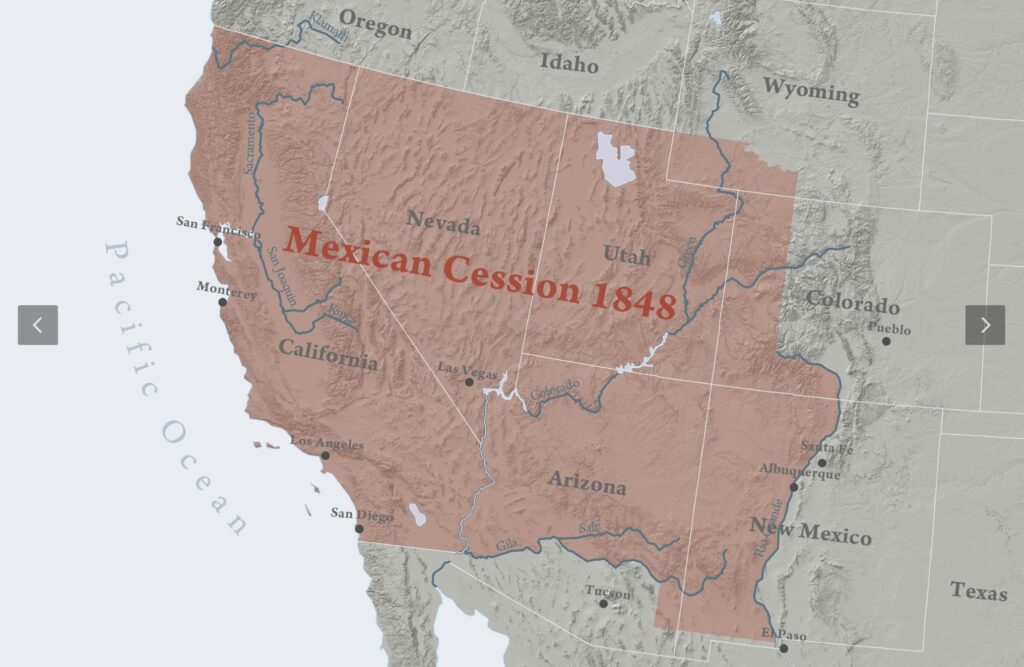
The Rio Grande as the Border. The treaty confirmed the Rio Grande as the boundary between Texas and Mexico, resolving the dispute that had, in part, triggered the war.
Financial Compensation. In recognition that this was a cession rather than a pure conquest, the United States agreed to pay Mexico $15 million and assume up to $3.25 million in claims that American citizens held against the Mexican government.
Protections for Mexican Citizens. Articles VIII and IX of the treaty promised that the approximately 80,000 to 100,000 Mexicans living in the ceded territories could choose to remain and become American citizens with full rights, or return to Mexico. Their property rights, culture, language, and religion were to be protected.
The Mexican Cession: A Geography of Transformation
The land Mexico ceded was staggering in its diversity and potential. The territory included the fertile valleys of California, the silver and copper deposits of what would become Arizona, the high desert plateaus of New Mexico, and the salt flats and mountain ranges of Utah and Nevada.
Within a year of the treaty’s signing, gold was discovered at Sutter’s Mill in California — a coincidence so dramatic it seems almost scripted. The Gold Rush of 1849 transformed California from a sparsely populated backwater into a booming state admitted to the Union in 1850.
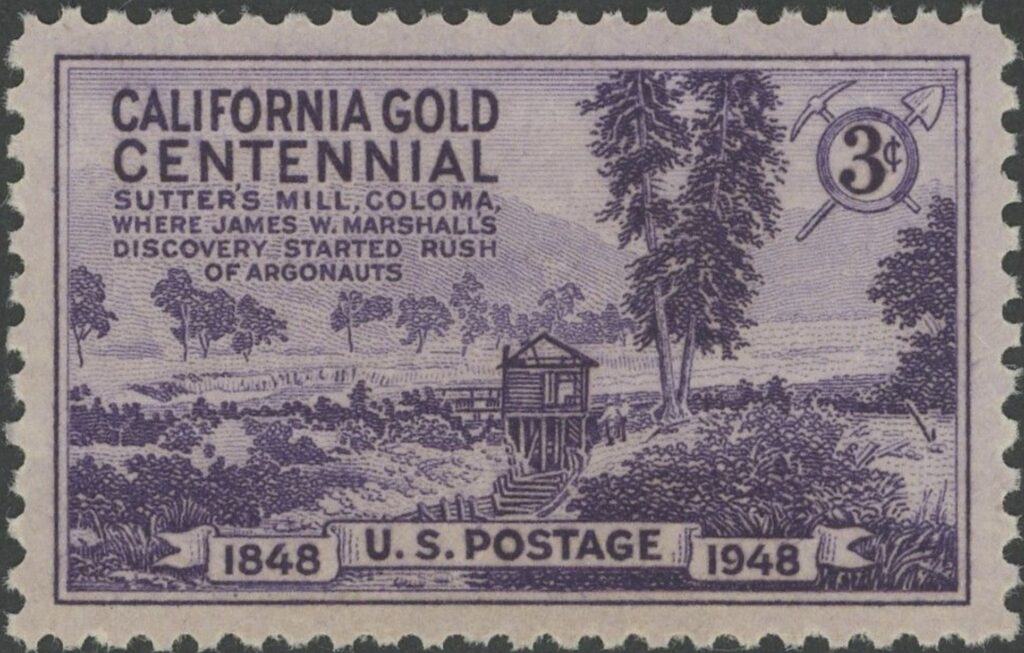
The cession also pulled the United States into conversations about slavery with explosive force. The Wilmot Proviso — a proposal to ban slavery in any territory gained from Mexico — had already been debated in Congress before the ink was dry on the treaty. The question of whether these vast new lands would be slave or free drove the nation toward a constitutional crisis that would culminate in the Civil War just thirteen years later.
The Broken Promise
For the Mexican communities already living in the ceded territories — Californios, Nuevomexicanos, Tejanos — the treaty’s guarantees crumbled almost immediately. Land grants that families had held for generations under Spanish and Mexican law were challenged in American courts, a process so expensive and protracted that even landowners who ultimately prevailed often lost their property to legal fees.
In California, the Land Act of 1851 placed the burden of proof on Mexican landowners, and speculators and squatters took full advantage.
The linguistic and cultural protections fared no better. Despite Article IX’s promises, Spanish-speaking communities found themselves systematically marginalized in the political and economic life of the new territories.
The transformation was not instantaneous — New Mexico retained a majority Spanish-speaking population for decades, and its territorial legislature conducted business in both English and Spanish — but the arc of assimilation and dispossession bent relentlessly in one direction.
Mexico’s Reckoning
For Mexico, the treaty was a national trauma. The country lost not just land but confidence. The war had revealed the fragility of the young republic, the incompetence of its military leadership, and the devastating cost of internal political divisions.
The conservative-liberal conflicts that had weakened Mexico before the war continued afterward, eventually leading to the Reform War (1857–1861) and the French Intervention (1861–1867). It would be decades before Mexico stabilized under a government capable of genuine national development.
Yet Mexico survived. The loss of the north galvanized a sense of national identity in the territory that remained. Writers, politicians, and ordinary citizens began to articulate what it meant to be Mexican in the face of an aggressive neighbor — a cultural reckoning that shaped Mexican national consciousness well into the twentieth century.
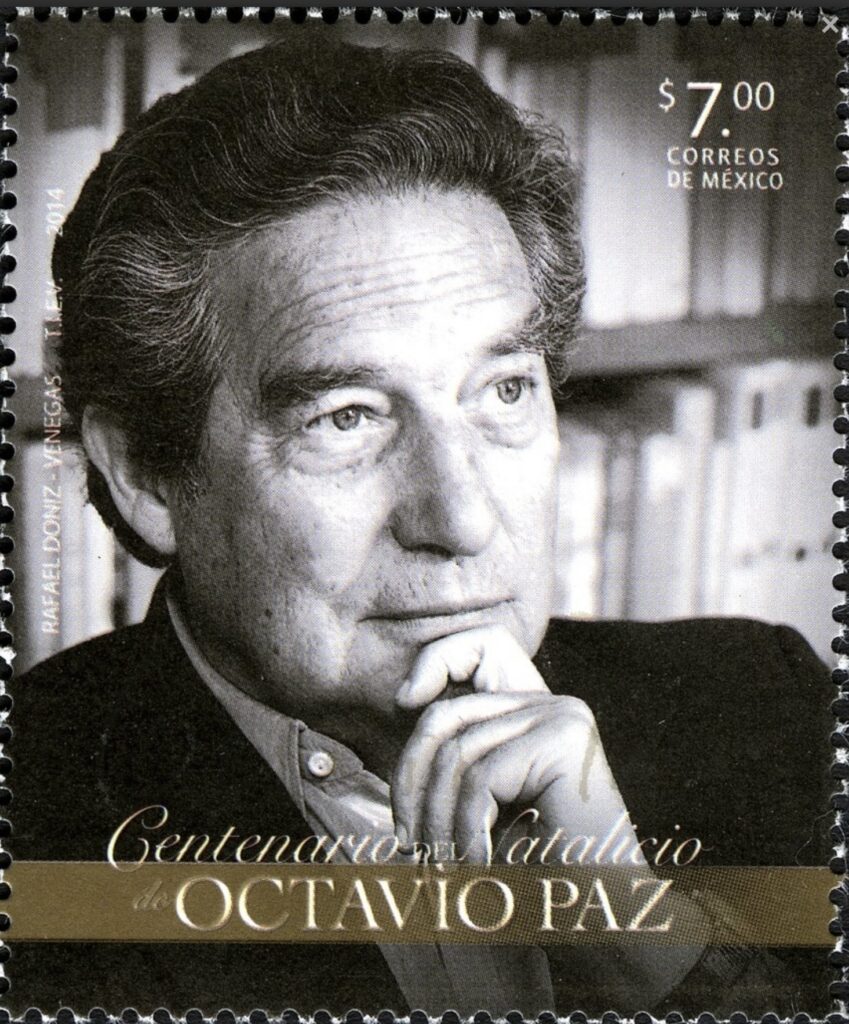
Octavio Paz (1914 – 1998), Mexico’s Nobel Prize winning philosopher and writer, took on the subject of national identity in (arguably) his most famous work, “The Other Mexico: Critique of the Pyramid.”
This short (my copy is 164 pages) work appears to be out of print (according to Amazon), but can be found at archive.org for those who wish to read it online.
If you prefer dead-tree books, check with you local library.
Legacy
The Treaty of Guadalupe Hidalgo remains one of the most consequential documents in North American history. It established the basic shape of the modern United States-Mexico border, created the legal framework — however poorly enforced — for the rights of Mexican Americans, and set the stage for the Gold Rush, the Civil War debate over slavery, and the eventual admission of nine new states.
The borderlands created by the treaty are not simply a line on a map. They are a living history, a place where two nations, two languages, and two cultures have been in constant negotiation since that February morning in 1848 when two exhausted diplomats picked up their pens and changed the world.