By the time José Rizal faced a Spanish firing squad on December 30, 1896, he had already done his most devastating work — not with a rifle, but with a pen.
Born on June 19, 1861, in Calamba, Laguna, José Protacio Rizal Mercado y Alonso Realonda was the seventh of 11 children in a prosperous mestizo family. From an early age, his brilliance was unmistakable. He could read and write by age 2. He composed poetry before he was a teenager. By the time he left the Philippines to study in Europe, he was fluent in more than a dozen languages and training simultaneously as a physician, sculptor, and novelist.
But it was his writing that would shake an empire.
The Novelist Who Lit a Revolution
In 1887, Rizal published Noli Me Tangere — “Touch Me Not” — a searing novel that exposed the brutal realities of Spanish colonial rule in the Philippines. Through fiction, he documented the abuse of power by Spanish friars, the corruption of local officials, and the quiet suffering of ordinary Filipinos who had been systematically stripped of dignity and autonomy.
The novel was immediately banned by colonial authorities. That ban, more than anything, confirmed its power.
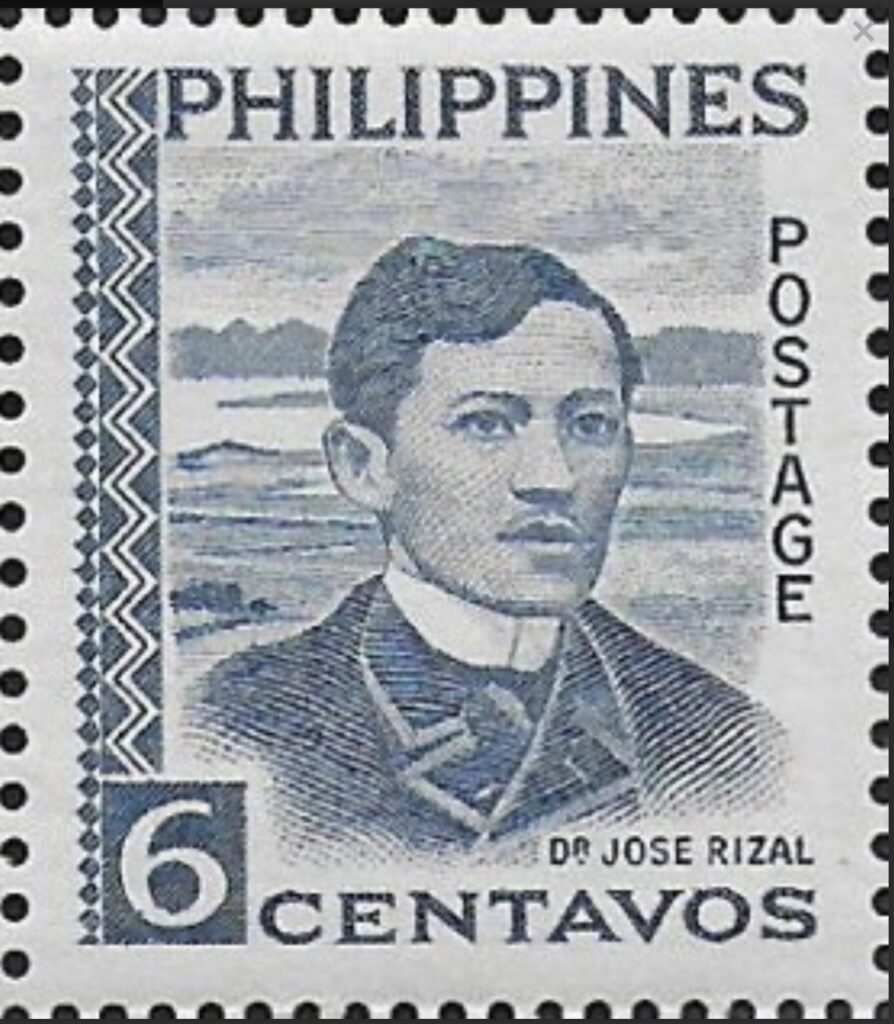
A sequel, El Filibusterismo (“The Reign of Greed”), followed in 1891, darker and more radical in tone. Together, the two novels did something that decades of scattered uprisings had failed to accomplish: They gave Filipinos a shared language for their oppression, and a shared identity as a people deserving of freedom.
(A 1956 law, the Rizal Law, requires that all college students study the man and his works. The Catholic Church objected to this law, because of what it says about corrupt priests, so a compromise allowed its adherents to opt out of reading the unexpurgated versions of the two books.)
Rizal never called for violent revolution. He believed in reform through education, reason, and the moral persuasion of both colonizer and colonized.
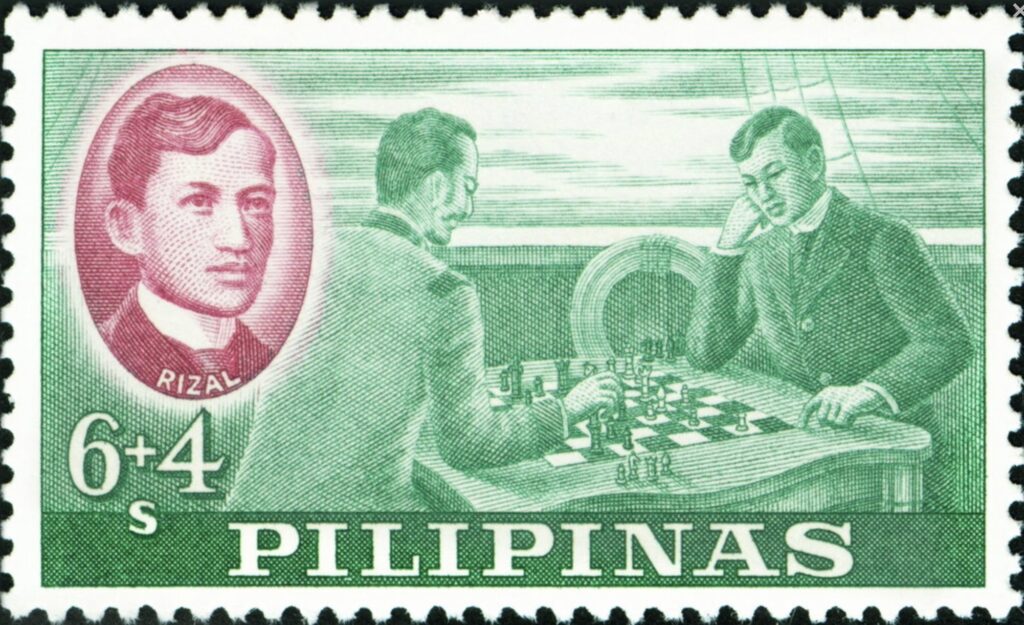
Rizal considered chess to be a major form of relaxation and played it extensively while he was away from the Philippines. This stamp illustrates his enjoying a game while traveling by ship. He used the chess game to illustrate his writing.
He founded the La Liga Filipina, a civic organization pushing for equality and legal rights. (The constitution of the organization, in English, is here.) He wrote essays, letters, and annotations dismantling the myths used to justify colonial rule. He was, in every sense, a man who believed that the truth, made visible, was the most radical act of all.
Martyr and Symbol
The Spanish colonial government disagreed. In 1896, Rizal was arrested, tried on charges of sedition and rebellion, and sentenced to death — despite having actively opposed the armed revolt that had broken out that year. On the morning of his execution, he composed his final poem, Mi Ultimo Adiós (“My Last Farewell”), a luminous meditation on love, sacrifice, and the land he was dying for. He folded it into a small lamp and handed it to his family.
His death did not silence the revolution. It ignited it.
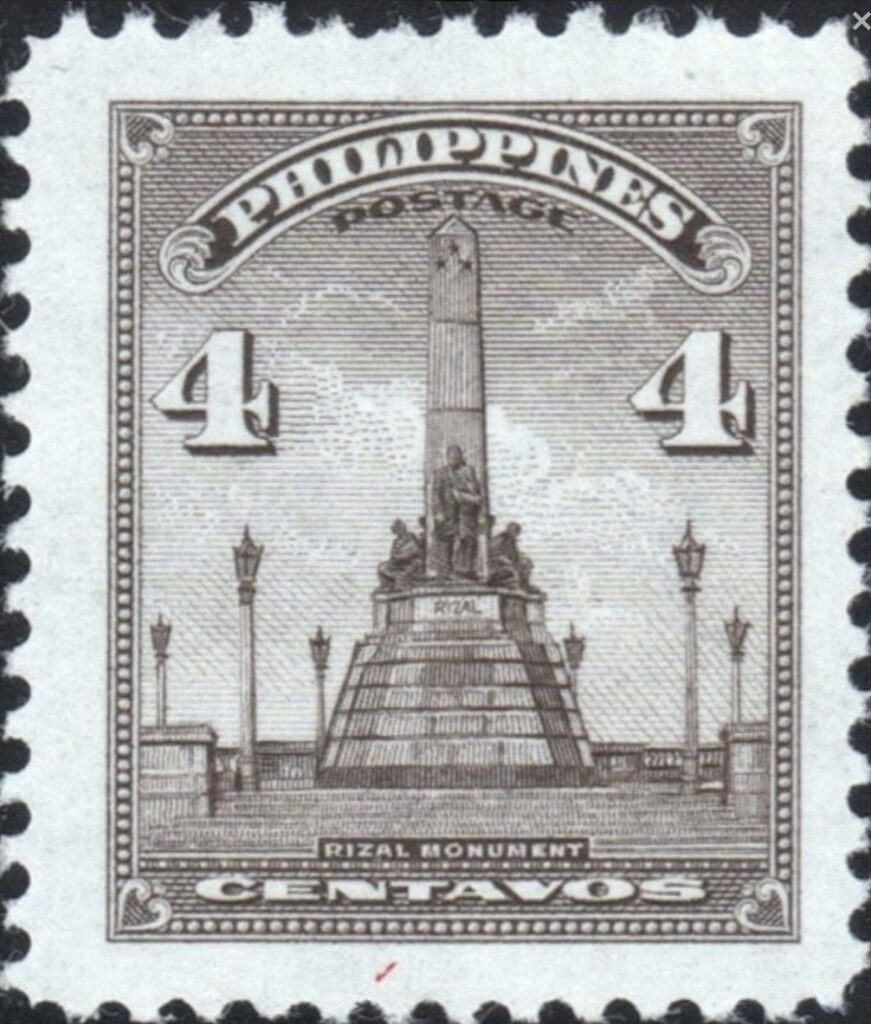
Today, José Rizal stands at the center of Philippine national identity. His face appears on the one-peso coin. His monument anchors Rizal Park in Manila. December 30 is celebrated as Rizal Day, a national holiday. Every Filipino schoolchild learns his story. It is not by accident that when Ramon Magsaysay was elected president in 1953, he chose that day to be sworn in.
What makes Rizal enduringly extraordinary is not just what he achieved, but how — through intellect, compassion, and an unshakeable belief that his people deserved to be seen as fully human. He proved that ideas, courageously expressed, can outlast any empire.
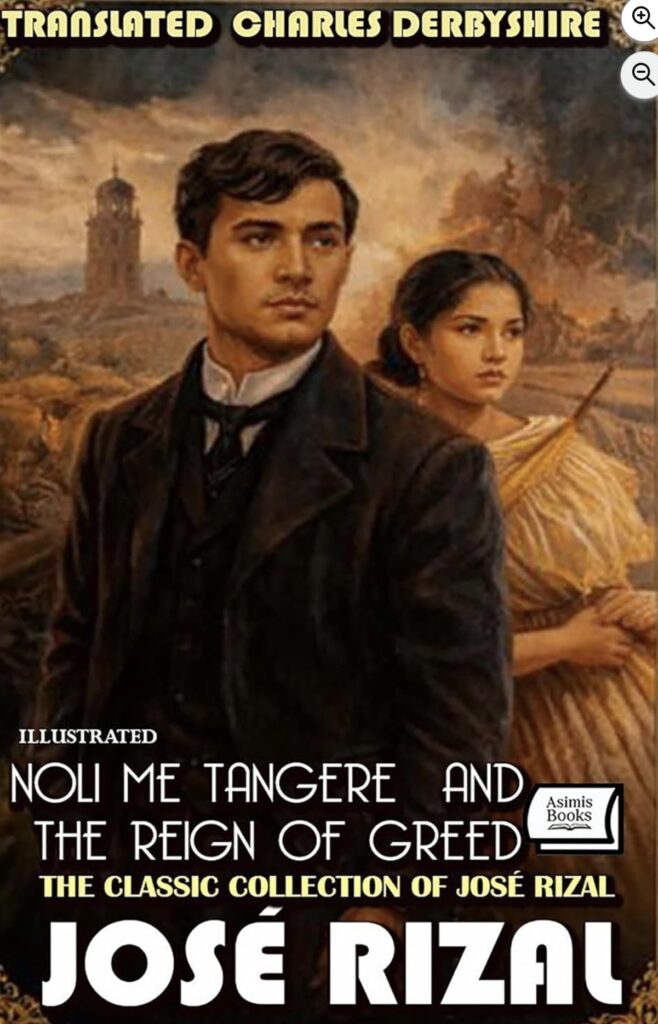
Both of the novels mentioned in this blog are in the book whose cover you see to the left. Amazon has the Kindle edition available for 99 cents.
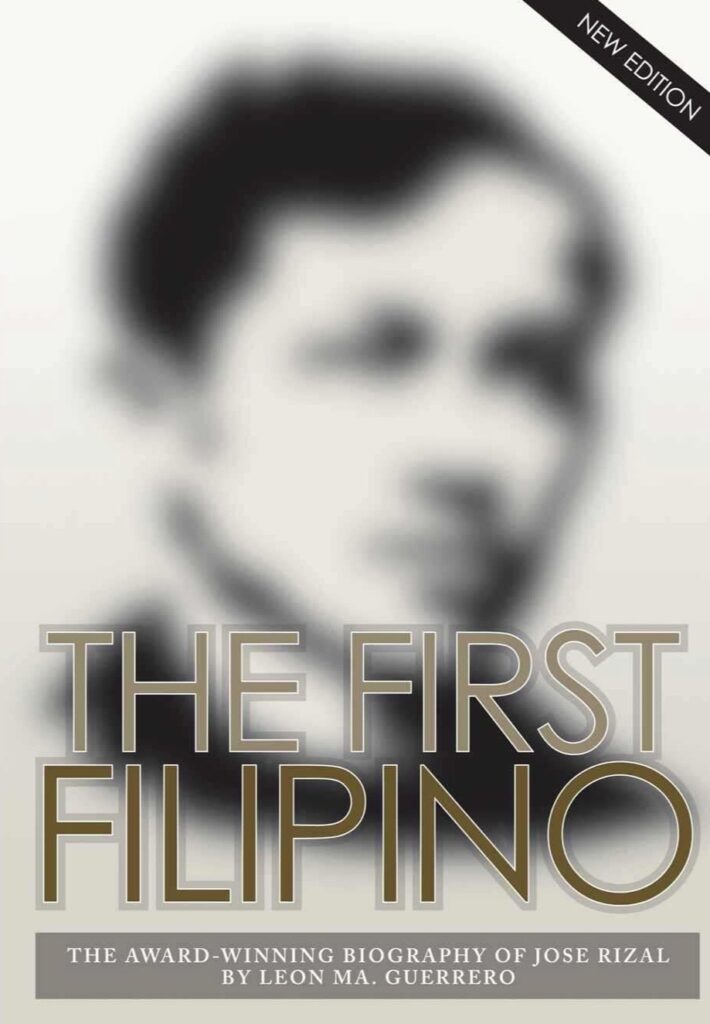
The First Filipino, a biography, also is available on Amazon.