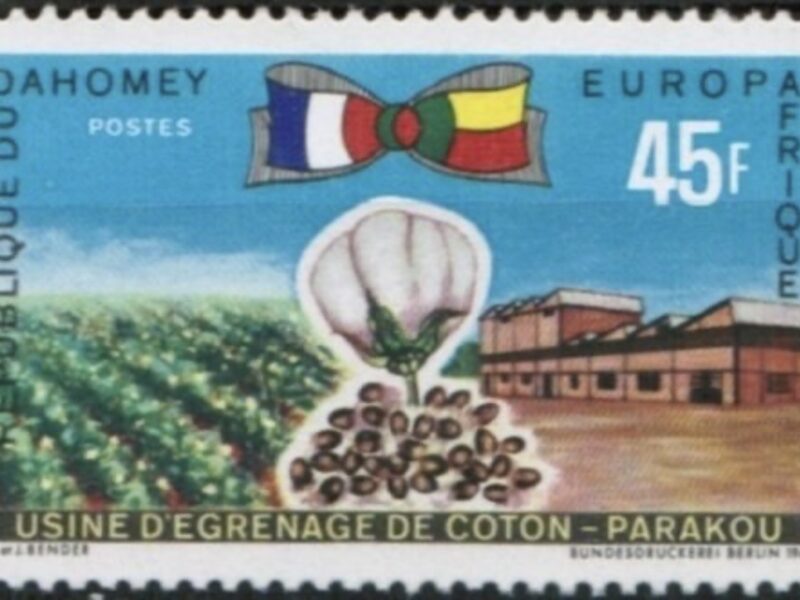
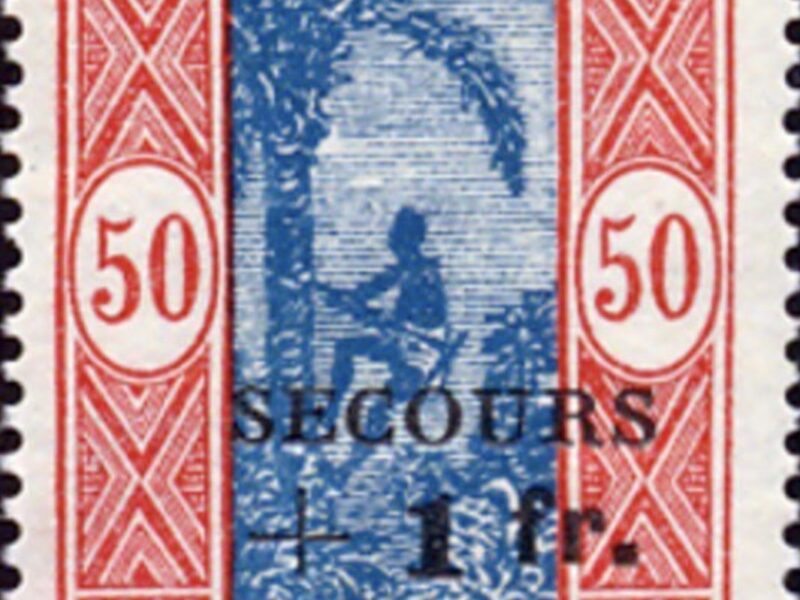
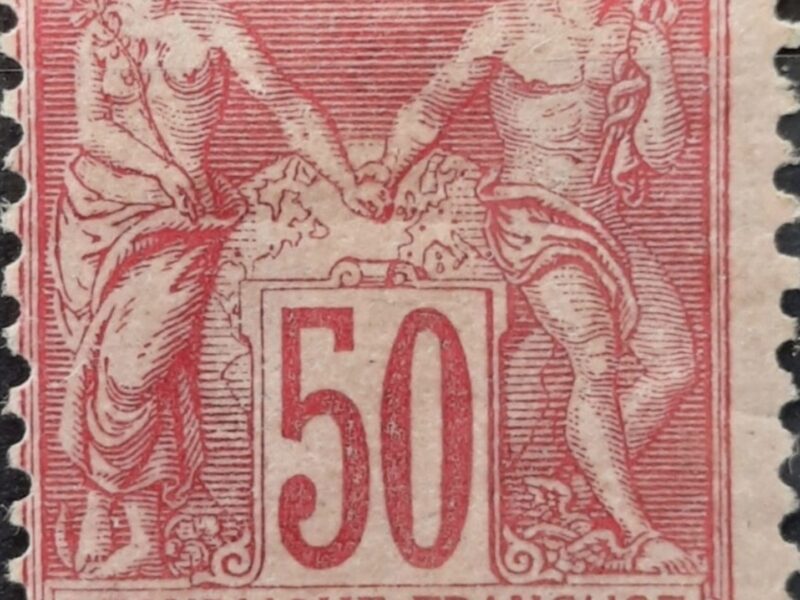
Spend a little time browsing stamp listings online and you will eventually run into a curious category. Sheetlets of nine brightly colored stamps showing owls, steam locomotives, Elvis, or a recent royal wedding, all in the name of some small African or Central Asian republic, and all tagged with a blunt warning: illegal stamps.
The word sounds alarming. Is it against the law to own one? Will customs seize your purchase? Did someone counterfeit them in a back room?
The answer is more interesting than any of those possibilities. “Illegal” in this context is a technical term with a specific meaning in international postal affairs, and the story behind it reaches from nineteenth-century adventurers to the global stamp trade of today.
A Stamp Is a Government Document
To understand what makes a stamp illegal, start with what makes one legal.
A postage stamp is not simply a pretty label. It is a receipt — proof that the sender has paid a government postal service to carry a letter. That makes the right to issue stamps an attribute of sovereignty, like printing currency. Only a recognized postal authority can do it.
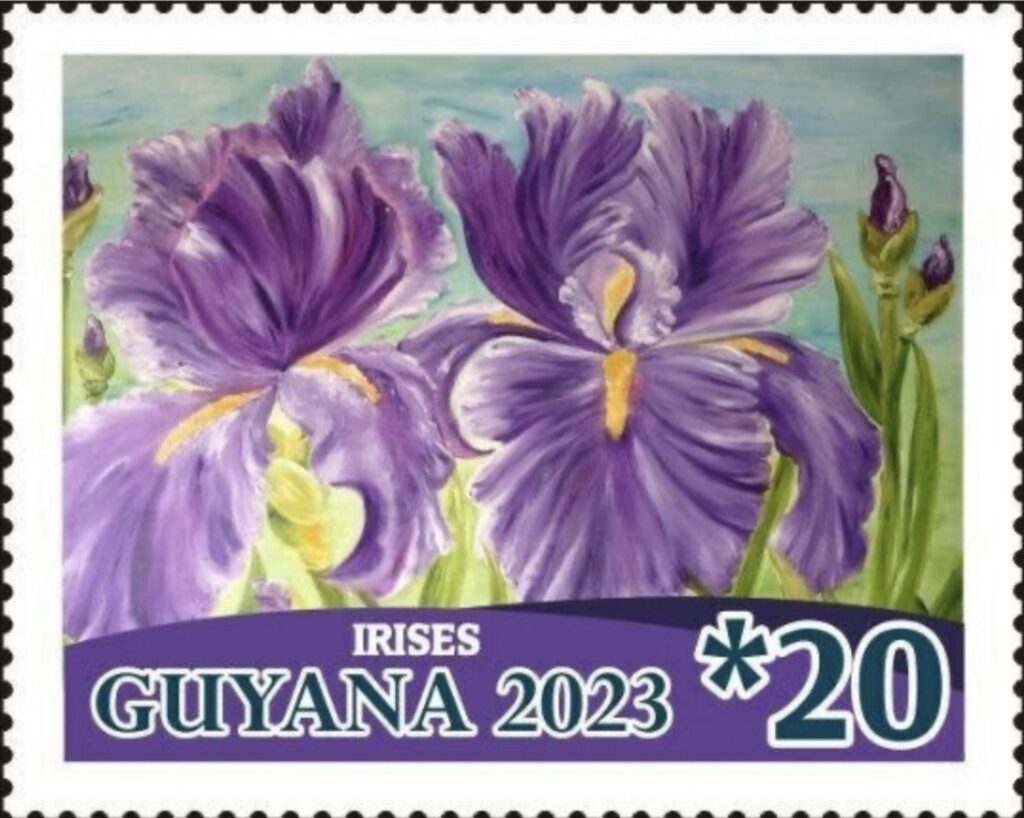
A beautiful stamp, but not good for postage,
Since 1874, the countries of the world have coordinated their mail through the Universal Postal Union, headquartered in Bern, Switzerland. Member nations agree to honor one another’s postage, which is what allows a letter bearing French stamps to be delivered in Arizona. The UPU’s governing treaty, the Universal Postal Convention, reserves the issuing of postage stamps to each member country’s own postal administration.
An “illegal stamp,” then, is a stamp produced and sold in a country’s name without that country’s authorization. It carries the nation’s name, a face value in its currency, and every appearance of officialdom — but the government that supposedly issued it never did. It is not valid postage, and it never was.
How the Problem Grew
Unauthorized stamps are nearly as old as stamps themselves. In the Victorian era, a handful of adventurers and promoters produced issues for kingdoms that existed largely in their own imaginations. One of the better-known examples is the short-lived “Kingdom of Sedang,” proclaimed in the highlands of Indochina in 1888 by a French adventurer, Marie-Charles David de Mayréna, whose regime produced stamps that collectors still discuss. Philatelists call these creations bogus or phantom issues — stamps from places that had no genuine postal service at all.
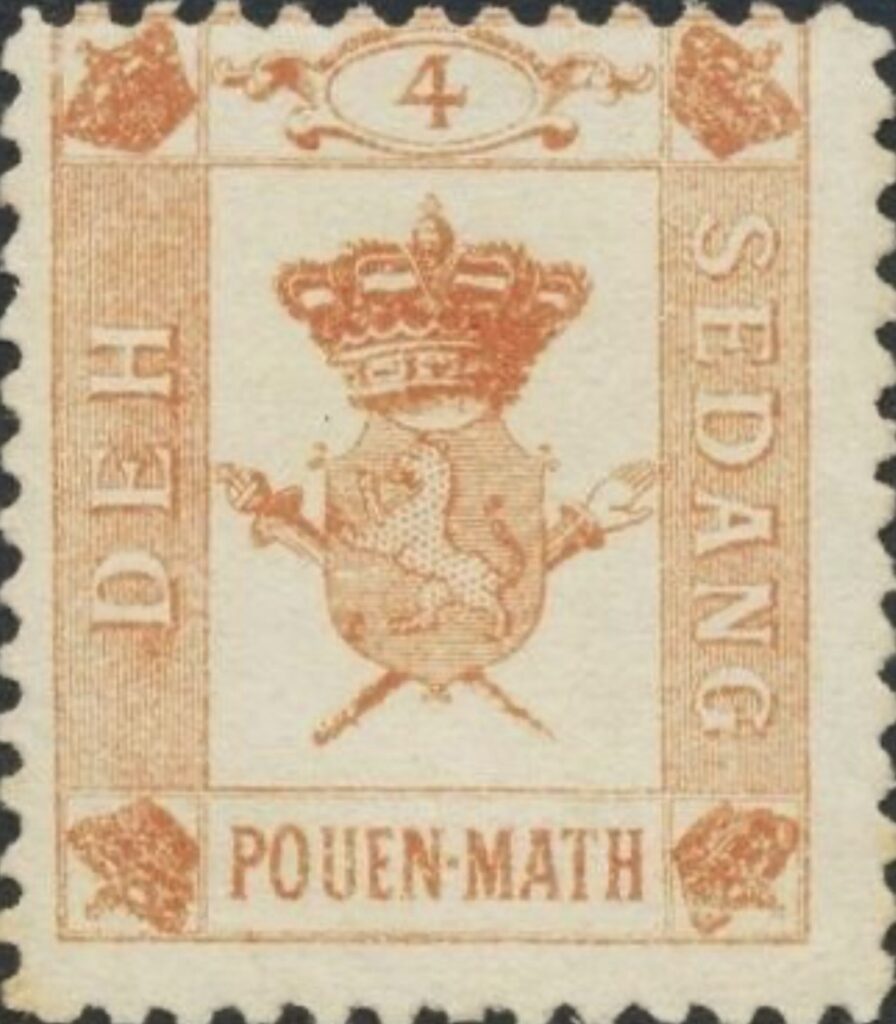
The modern illegal-stamp problem is different in kind. It does not involve imaginary kingdoms but real, internationally recognized nations, and it is driven by commerce rather than eccentric ambition.
Two developments made it possible. First, many smaller and poorer countries, particularly after decolonization, contracted out their stamp programs to private philatelic agencies. Those agencies designed, printed, and marketed stamps aimed less at domestic letter writers than at foreign collectors. The arrangement brought in revenue, but it also taught the world to expect a steady stream of topical stamps — sports stars, film actors, wildlife, popes — bearing the names of countries with little connection to the subjects.
Second, the collapse of the Soviet Union and other political upheavals around 1990 created a fog of uncertainty about who held postal authority where. Into that fog stepped printers producing stamps for breakaway regions, provinces, and republics that had no right to issue them.
Once buyers grew accustomed to ornate sheetlets from distant countries, it became easy for unscrupulous producers to skip the formality of a contract altogether. They simply printed stamps in a nation’s name and sold them directly to the collecting public, keeping all the proceeds.
The Postal Administrations Fight Back
By the late 1990s, postal administrations had begun to complain loudly. The UPU’s International Bureau started publishing formal notices — known as circulars — in which a member country publicly denounced issues sold in its name.
The early circulars read like inventories of the illegal trade. A 2003 notice from Afghanistan, for instance, listed miniature sheets of nine stamps each devoted to subjects such as boats, horses, eagles, and owls, and urged postal services worldwide not to accept them as postage. A summary compiled by the Philatelic Webmasters Organization notes repeated complaints about issues built around popular subjects — political leaders, sports figures, Hollywood stars — and specific sets featuring the Titanic, Babe Ruth, and Muhammad Ali.
The scale was considerable. When a UPU working group met in Bern in January 2001, some 46 postal administrations had reported problems with illegal or illicit stamps. Azerbaijan, which had asked the UPU to circulate warnings in 1993, 1999, and 2004, welcomed the tougher anti-illegal-stamp provisions added to the Universal Postal Convention at the 2004 Congress in Bucharest.
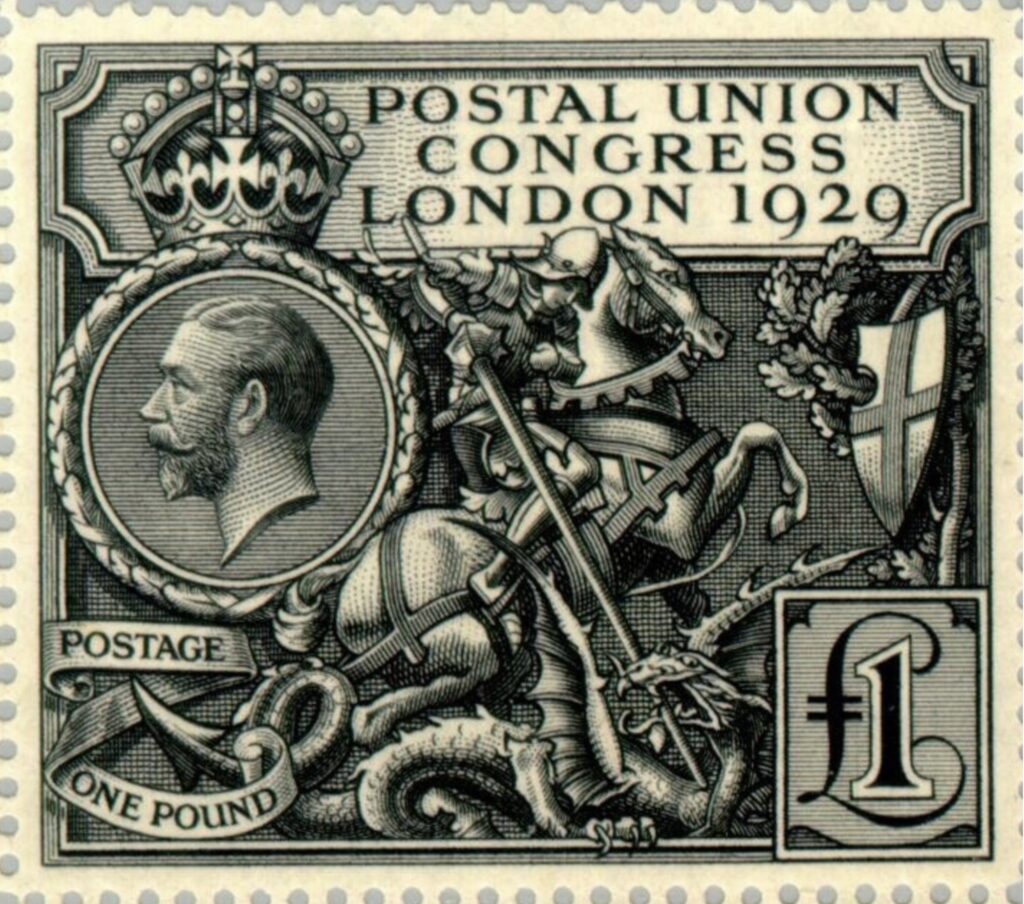
A United Kingdom stamp from 1929 featuring King George and St. George slaying a dragon. This series was the first to feature the Universal Postal Union.
The circulars have continued into the present decade. In 2020, for example, Mali’s postal operator denounced a sheetlet being sold as a Malian stamp, declared that it was not valid proof of postage payment, and asked other member countries to bar its sale and circulation under their own regulations.
A Catalog of the Genuine
The UPU’s most ambitious countermeasure was a registry. Beginning in 2002, it launched the WADP Numbering System, usually abbreviated WNS — an online database assigning a number to every stamp legitimately issued by member countries. The logic was simple: if a stamp is not in the database, it was not officially issued. Countries such as Burundi have since directed collectors and partners to the WNS site, where their legitimate stamps issued since 2002 are registered.
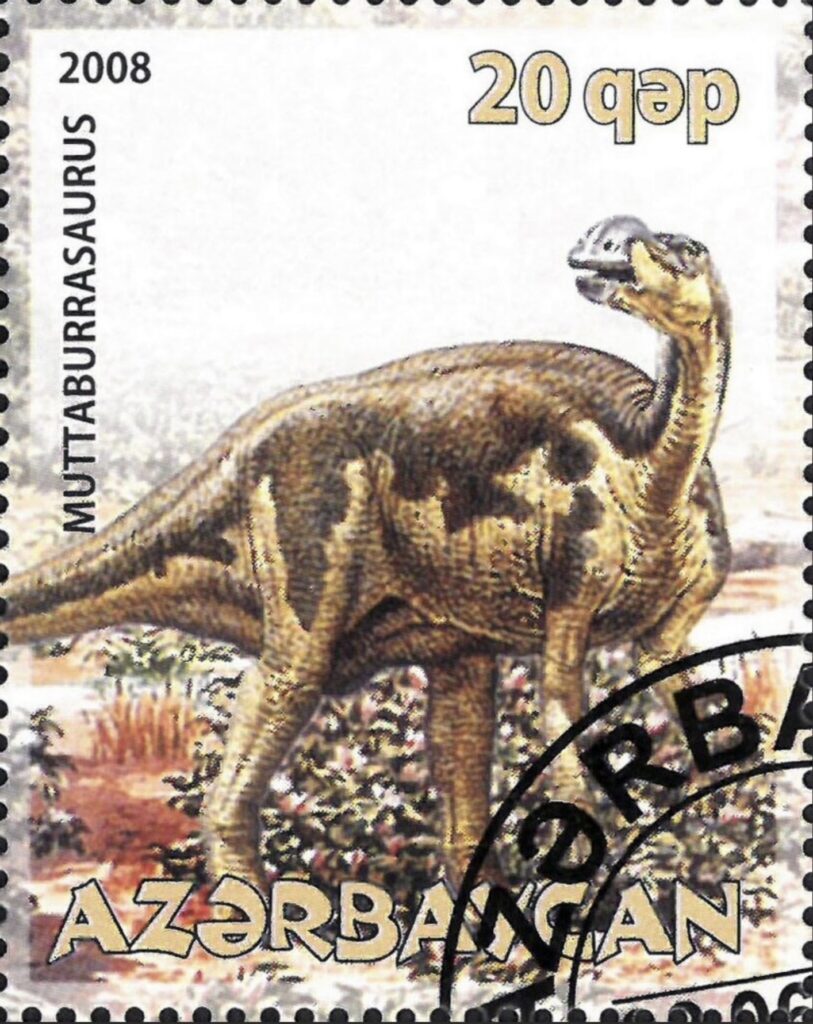
Illegal stamps often cover themes that are popular with topical collectors, including subjects that don’t exist elsewhere.
The registry has helped, but it has not solved the problem. Critics among collectors have argued that the UPU hoped WNS would settle the illegal-stamp question permanently, and partly for that reason the number of denunciation circulars dwindled until 2018, when none was issued at all. Meanwhile the trade carried on. A presentation on the subject estimated that more than forty UPU member countries were affected in 2023 alone.
The damage falls heaviest on Africa. A Nigerian collector writing in 2011 counted 37 African nations — roughly two-thirds of the continent — in whose names confirmed or suspected illegal stamps had appeared.
Illegal, Abusive, and Bogus: Sorting the Terms
Part of the confusion in online listings comes from the fact that several distinct categories get lumped together. Here is how specialists generally separate them:
Illegal stamps are issued in the name of a real country without its authorization. The country never approved them, never sold them through its post offices, and does not recognize them as postage.
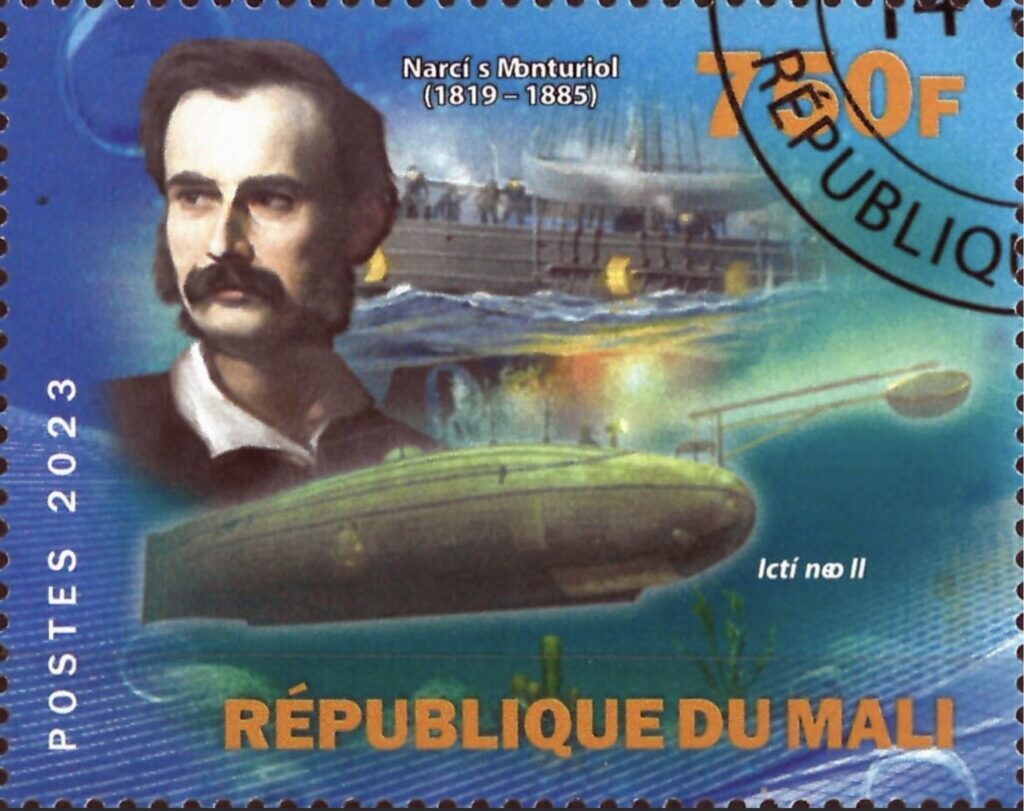
The typography on this illegal stamp leaves something to be desired. Narcis Monturiol built the world’s first engine-powered submarine.
Abusive stamps are a subtler problem. These are genuinely authorized by the issuing country, but they violate the Code of Ethics adopted by the UPU’s World Association for the Development of Philately. Typically they are produced in excessive quantities, on subjects unrelated to the issuing nation, primarily to extract money from collectors. They are legal postage, but the international philatelic community frowns on them.
Bogus or phantom stamps purport to come from places that do not exist or never had a postal service — the Sedang tradition.
Cinderellas is the broad collectors’ term for anything that looks like a stamp but is not valid postage: charity seals, exhibition labels, poster stamps, and private local issues. Illegal and bogus stamps fall within this larger family.
The line between illegal and abusive can be thin, and the distinction matters. A country may disown an issue produced by a former agent after a contract expired, or an agency may keep printing beyond what a government authorized. Even philatelic exhibitions have stumbled: one critic documented a dozen illegal stamps that won awards at the 2016 World Stamp Show in New York.
So Is It Against the Law to Own Them?
Generally, no. The word “illegal” describes the stamp’s status under international postal law — it was issued without authority and is not valid for postage — not the act of owning one. Collectors in the United States can buy, sell, and keep these items as curiosities, and many marketplace listings use the word “illegal” precisely so buyers know what they are getting.
That said, the countries whose names are being used regard the trade as a real harm. Their postal agencies lose revenue they might otherwise earn from legitimate issues, and their national names are attached to products they never approved — sometimes with unflattering or offensive imagery. Some officials have gone further, describing illegal-stamp sales as a channel for money laundering. A few nations have asked fellow UPU members to restrict the sale of these items within their borders, so the legal picture abroad can vary.
For the collector, the practical consequence is simpler: an illegal stamp has no standing as a postage stamp, and its market value is usually modest. Anyone paying “rare stamp” prices for a shiny nine-stamp sheetlet from a struggling republic should check the WNS registry first.
Why They Still Matter
Illegal stamps are, in one sense, philately’s counterfeits. But they also tell a historical story worth knowing. They are a byproduct of decolonization, of the commercialization of national stamp programs, of the political upheavals of the late twentieth century, and of the internet marketplace that now connects printers in one country with buyers in another.
Some collectors gather them deliberately, as a record of that story. Others steer clear entirely. Either way, the label on the listing is not a warning that the stamp police are coming. It is a reminder that a postage stamp’s real value has always rested on something invisible: the authority of the government whose name it bears.